Our Canoes
The shape of a Campbell Canoe isn't just about style. Native American and early Canadian canoe builders spent hundreds of years refining hull shapes to achieve optimum performance on real water, and every Campbell keeps their higher, curved bow and stern and flowing hull lines, softened for how, where and in what conditions we paddle today.
So why are so many modern canoes flat? Because flat is cheaper to make and stacks better for transport, storage and showroom display. Those compromises benefit production and retail, not the paddler.
The result is a canoe that feels calm, capable and reassuring, solo, loaded with family and kit, on long-distance tours or running moving water. Classic lines, not for tradition's sake, but because they still do the job better.
Which spec suits me?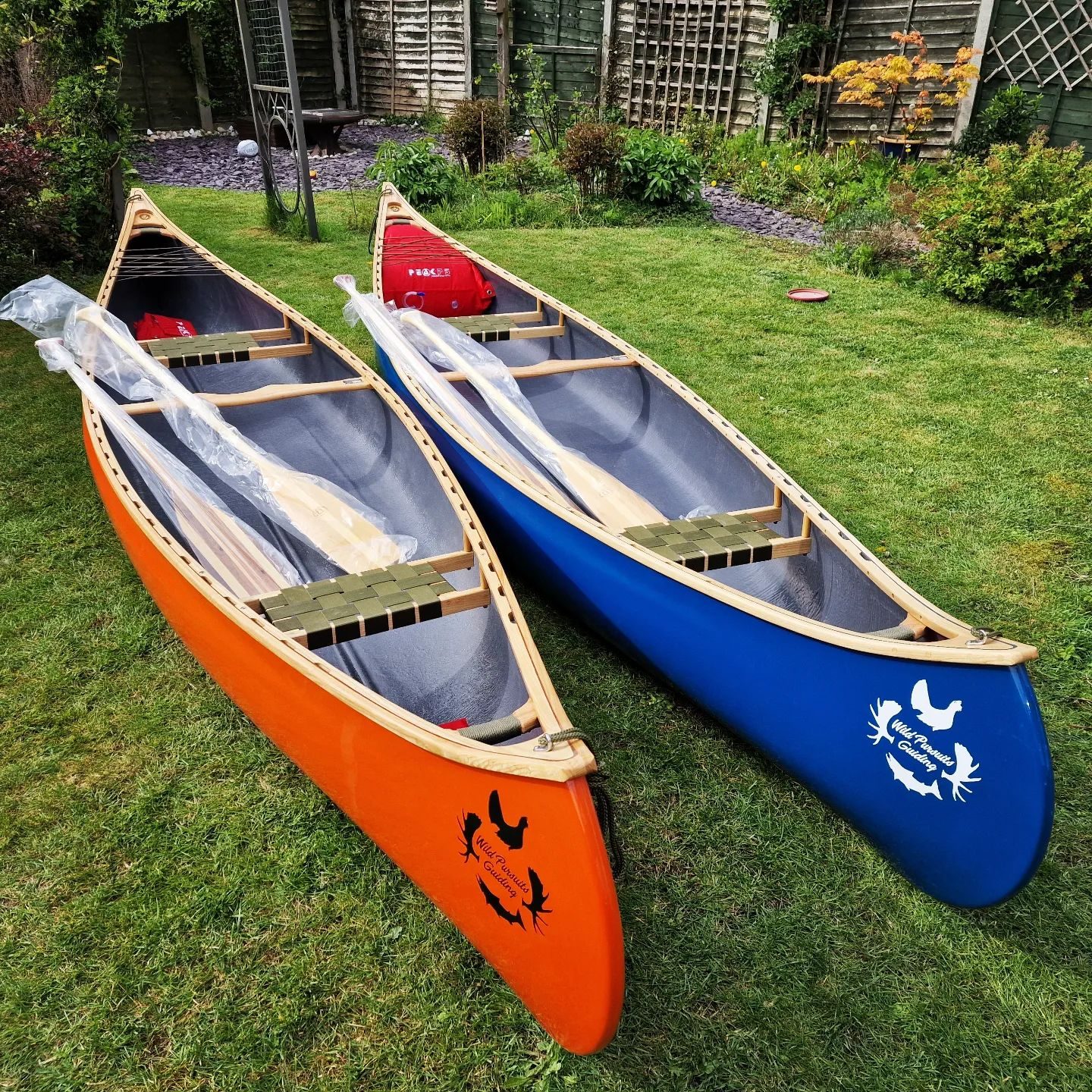
Two sizes, two specifications,
one philosophy
 12ft · Signature (S7)
01
12ft · Signature (S7)
01

CAM.S7.12
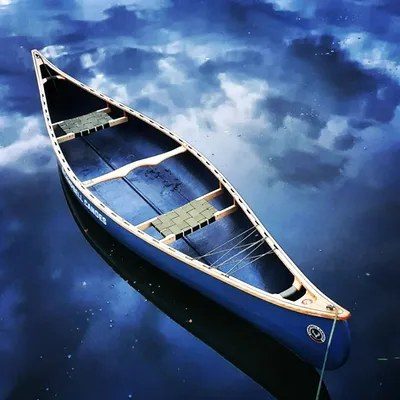
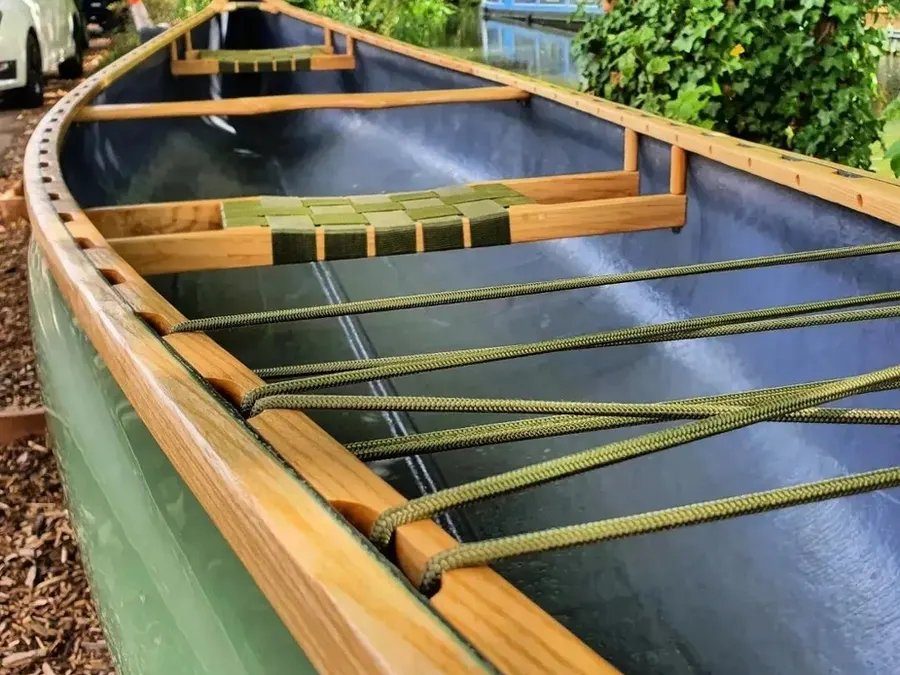
The perfect solo canoe in our Signature spec finish
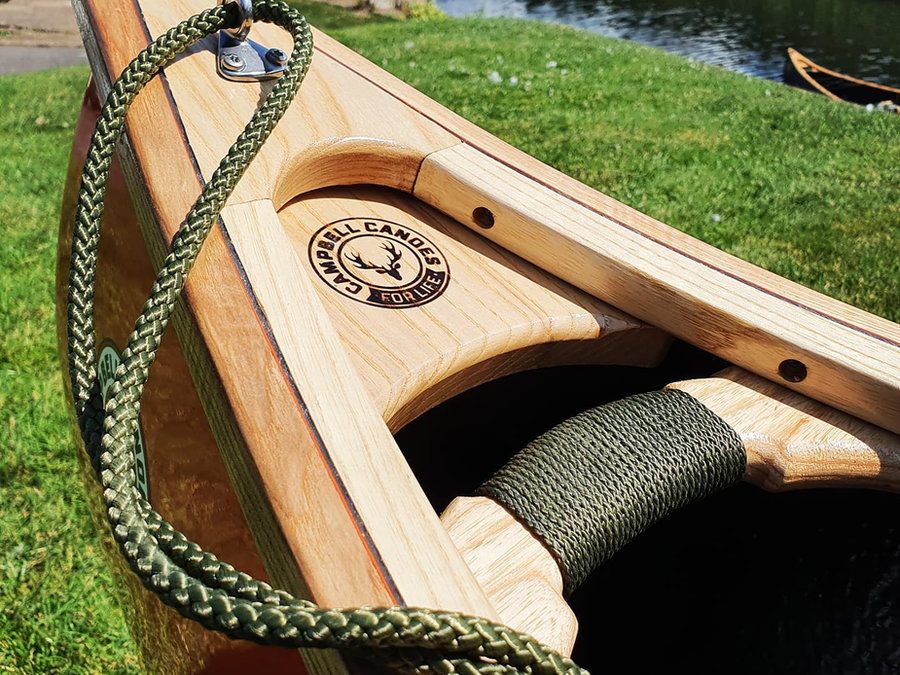
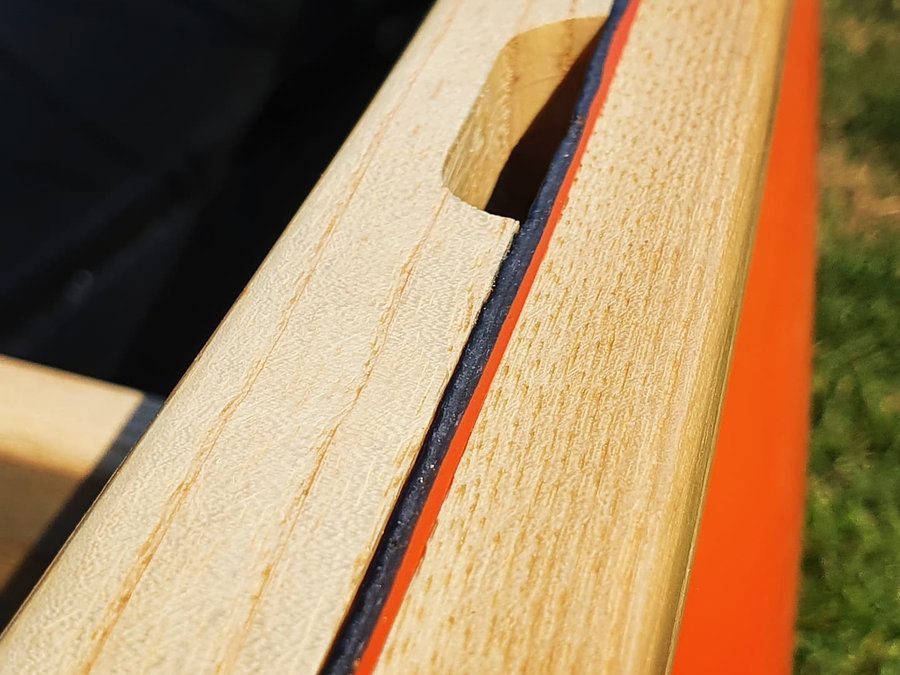
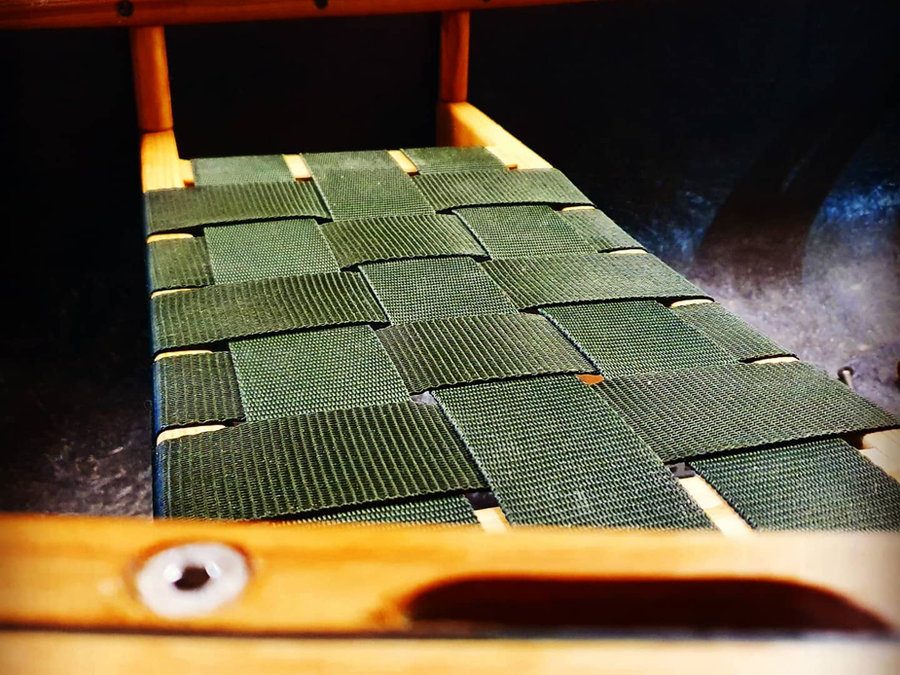
Every detail around the hull is hand-crafted in English ash hardwood, triple-coated in hardwax oil that soaks into the grain rather than sitting on the surface like varnish, more durable, and easier to maintain for life. Matching olive-green seat webbing, handle grips, painter ropes and deck netting complete the finish.
Who's it for? A solo paddler, or an adult with a child, carrying camping and touring kit. Light enough (25kg) to carry with no trolley and lift onto a car or campervan roof alone, stable on flat water and touring, yet manoeuvrable on rivers and moving water.
Materials: ash gunwales, decks, seat & yoke · fibreglass hull
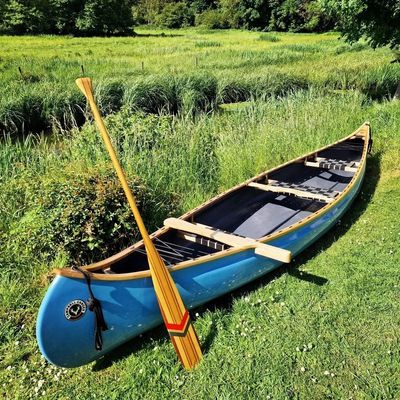 16ft · Signature (S7) · Best-seller
02
16ft · Signature (S7) · Best-seller
02
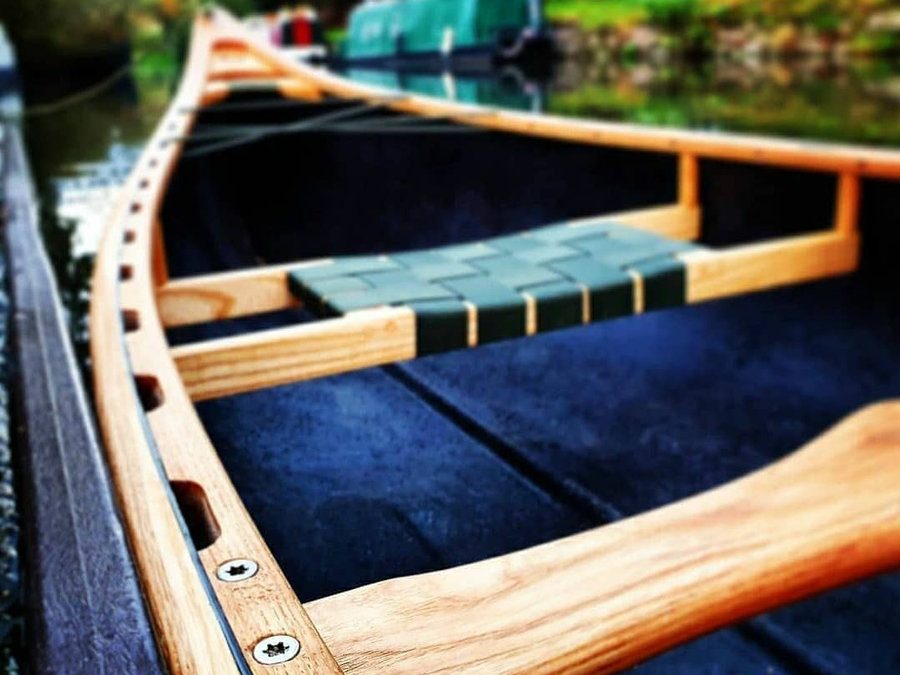
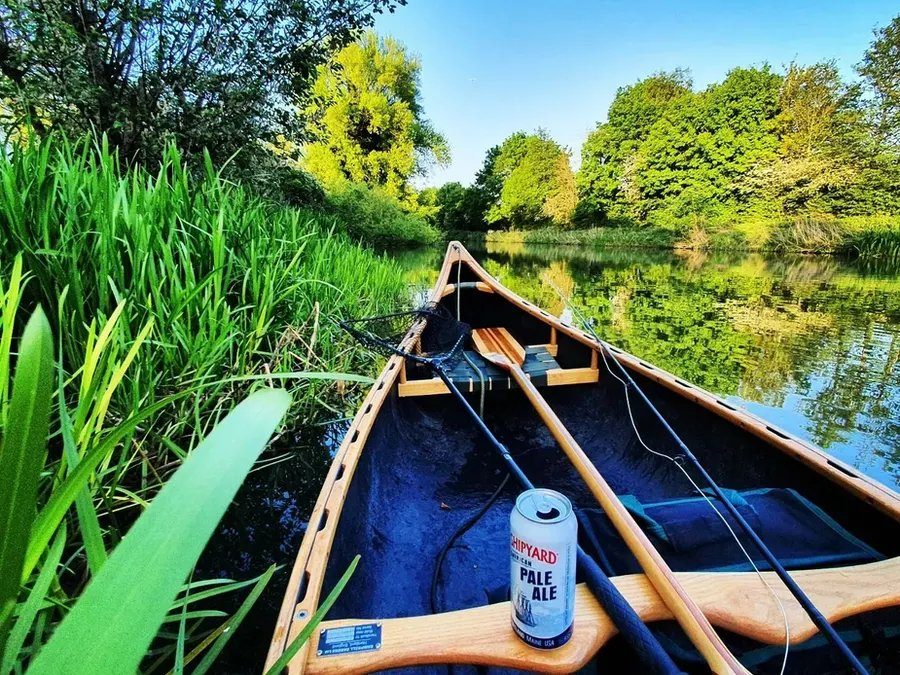
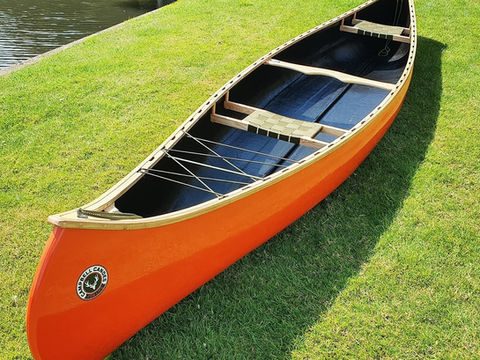
CAM.S7.16
The perfect family or larger-solo 16ft canoe in our Signature spec finish
Our best-selling canoe shares the same tough construction and highest Signature specification as the S7.12. The ash timber construction adds a subtle increase in rigidity, a more responsive, efficient feel, particularly noticeable when paddling solo, touring longer distances or carrying load.
Who's it for? Solo paddlers, couples and families looking for a single canoe that can do it all. Its length and stability suit longer touring trips, camping kit, dogs or extra gear, and a centre bench seat can be added for two children. Highly stable, confidence-inspiring and easy to manage.
Materials: ash gunwales, decks, seat & yoke · fibreglass hull
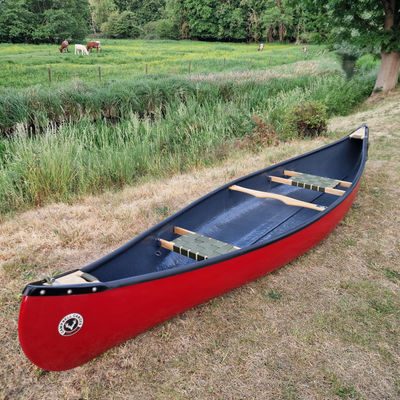 12ft · Trail (S5) · New
03
12ft · Trail (S5) · New
03
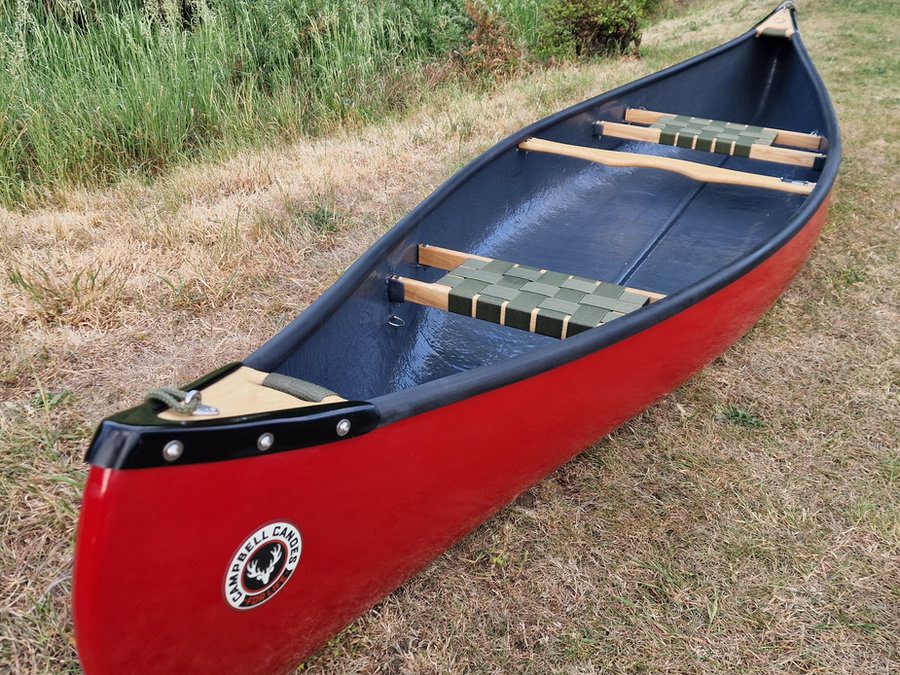
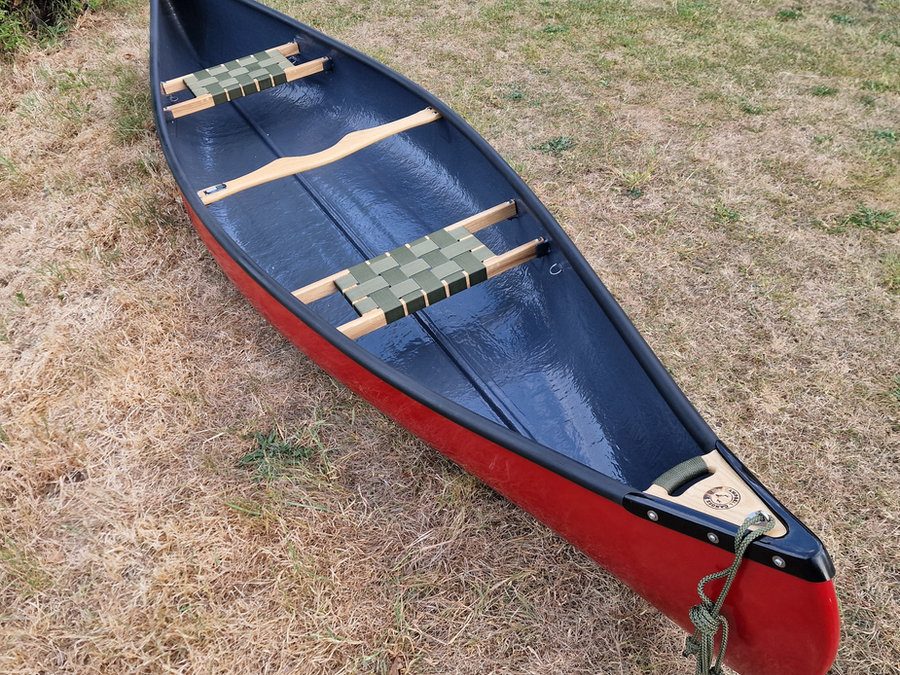
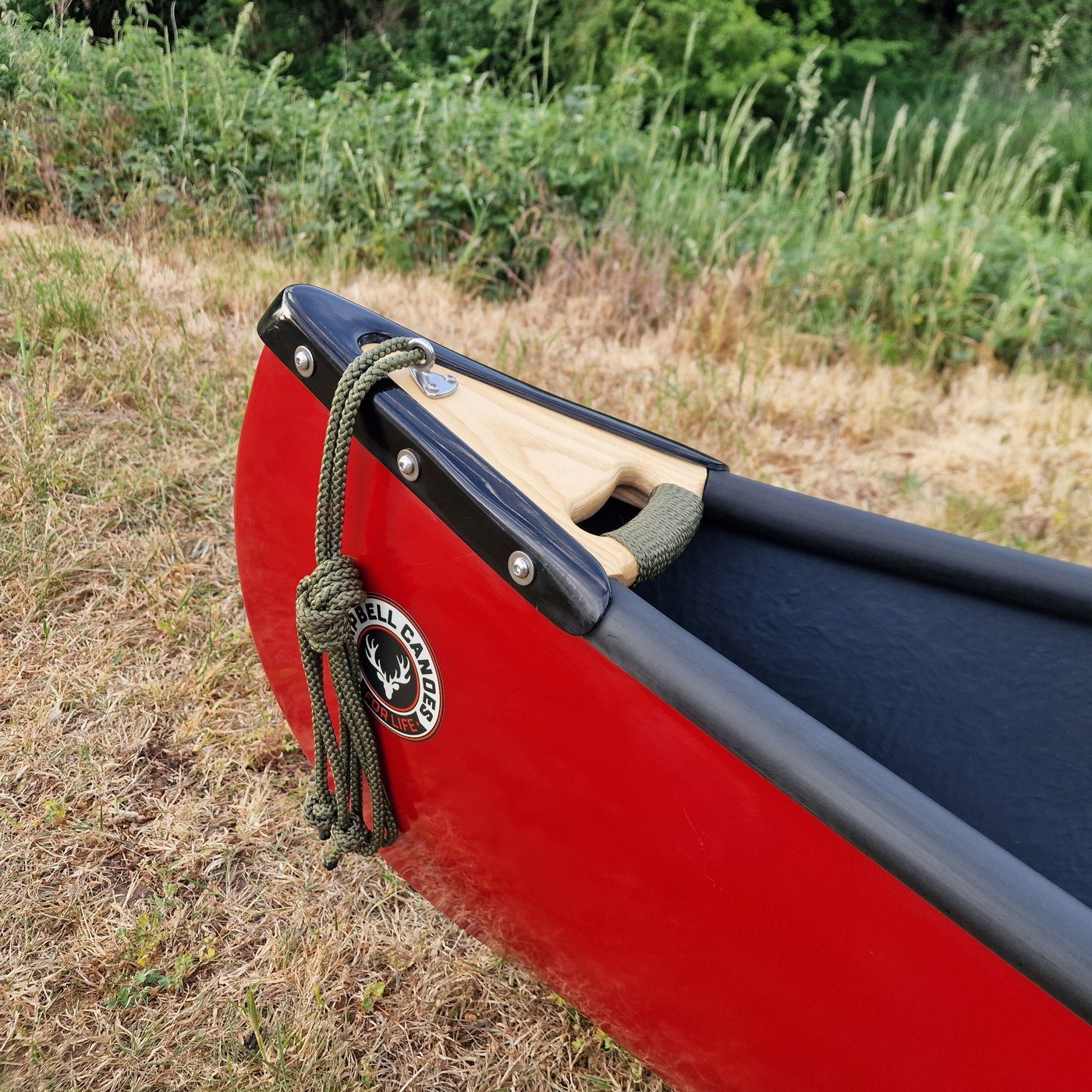
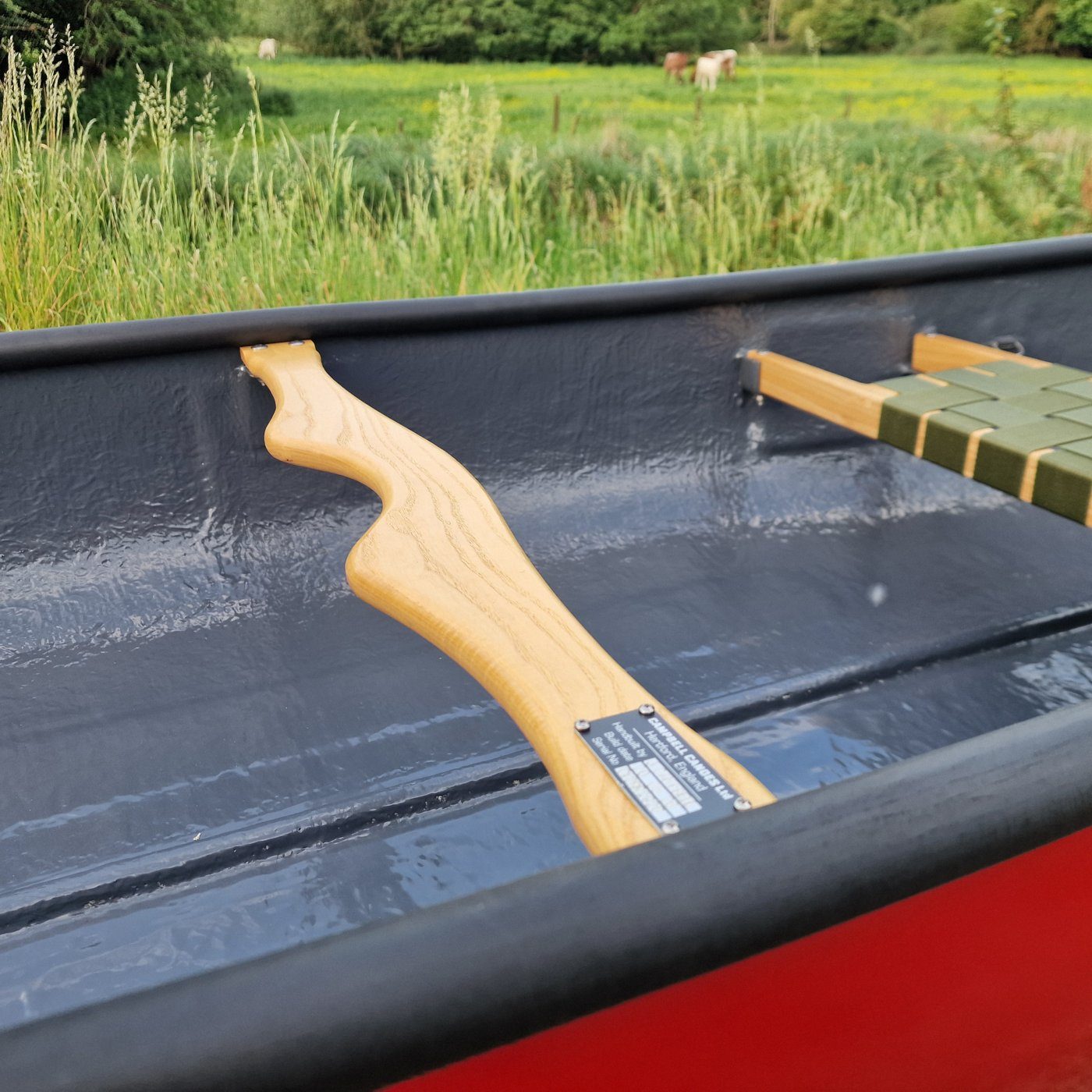
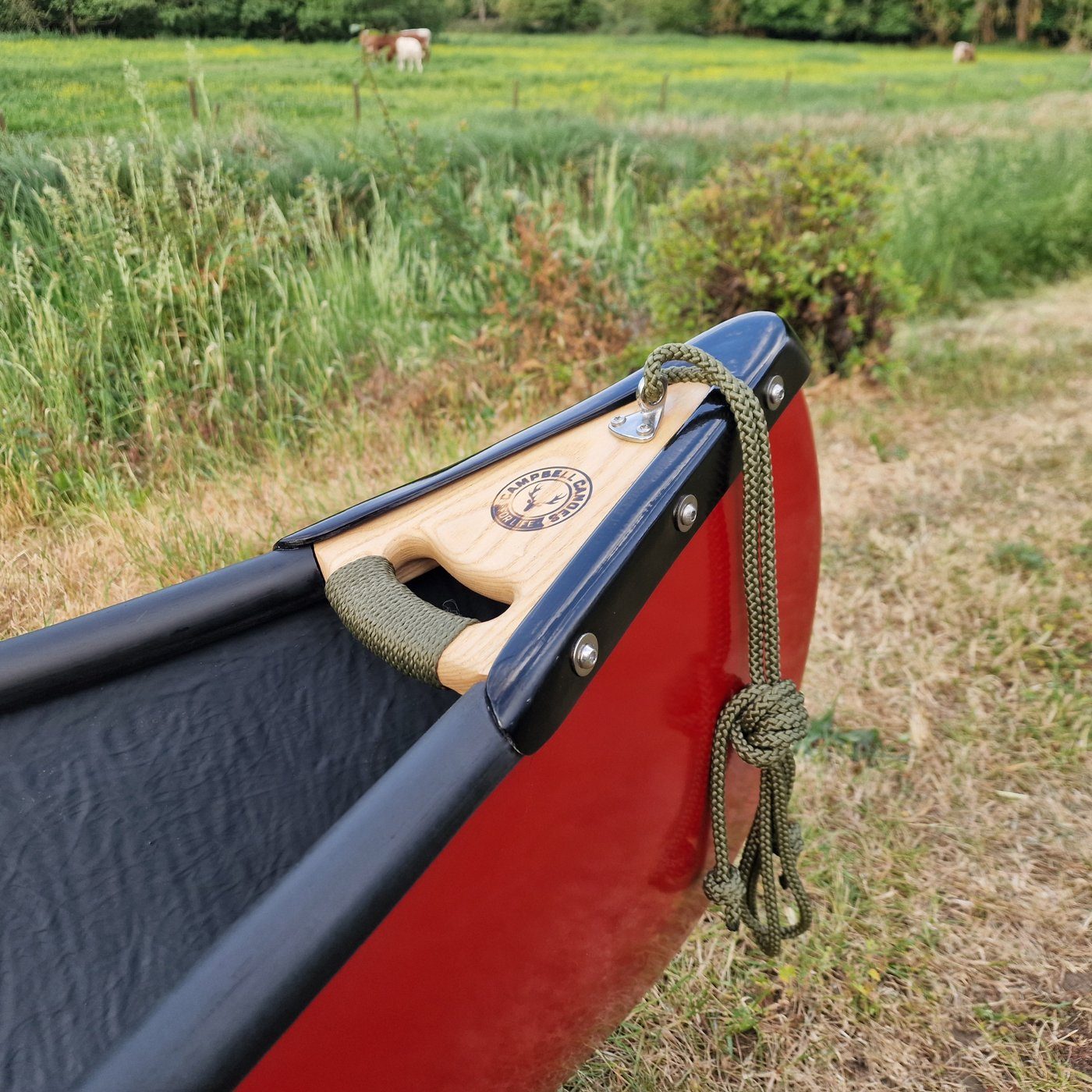
CAM.S5.12 (Mk2)
Our Trail-spec 12ft solo canoe
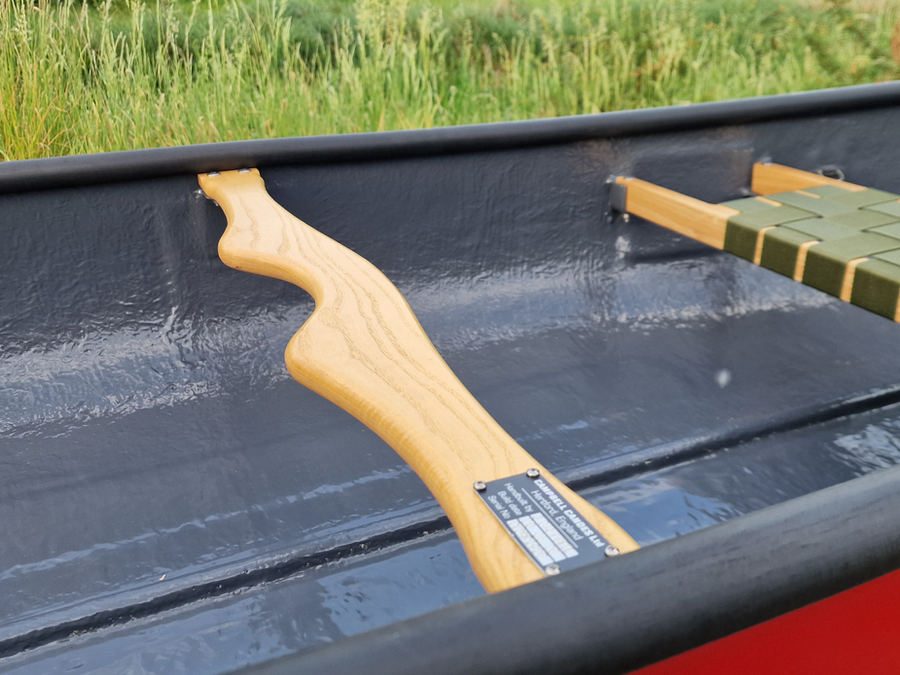
The new Mk2 S5.12 delivers the same stability and almost the same on-water performance as the S7.12, in a Trail specification. Plastic gunwales and a fibreglass deck trim replace full timber components for a durable, hard-wearing setup, while the ash yoke and seating keep comfort and balance central to the ride.
Who's it for? Solo paddlers, an adult with a child, or a solo paddler carrying camping and touring kit, the same capability as the S7.12, in a simpler specification. For a higher level of finish and detailing, the S7 range offers a more premium alternative.
Materials: composite gunwales & decks, ash seat & yoke · fibreglass hull
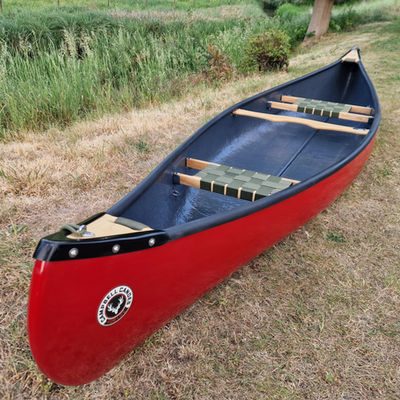 16ft · Trail (S5) · New
04
16ft · Trail (S5) · New
04
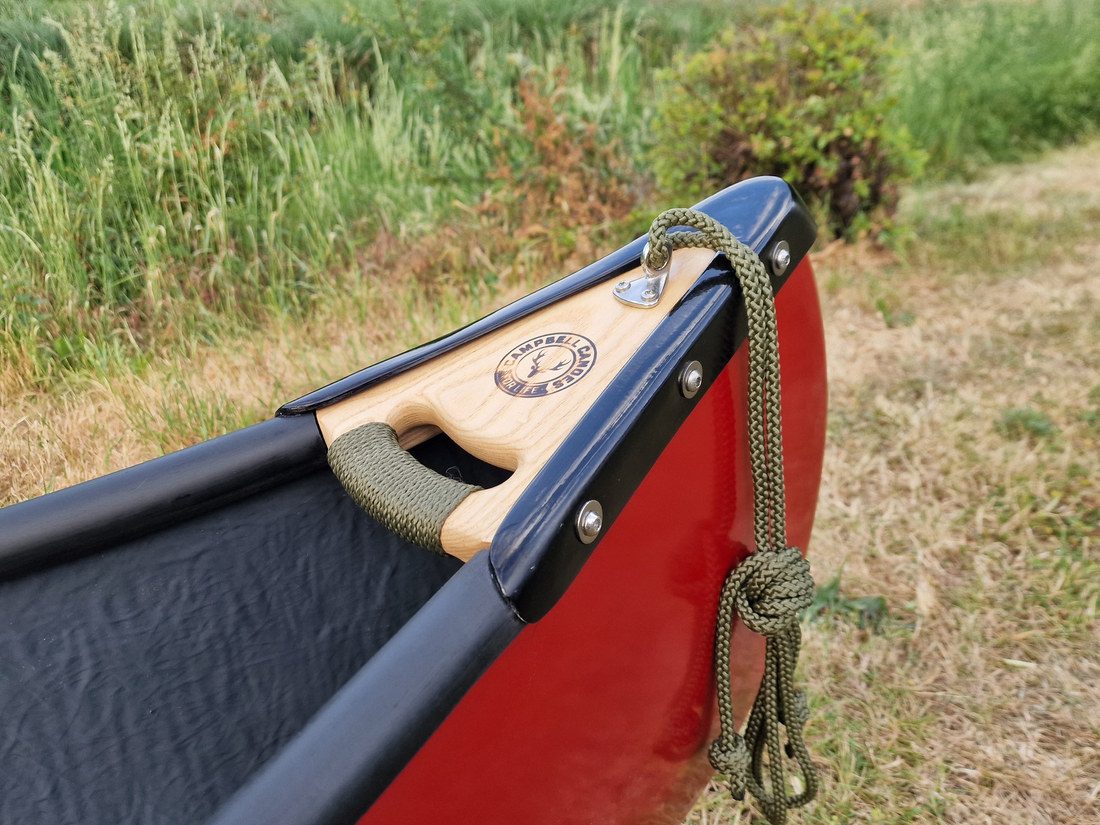
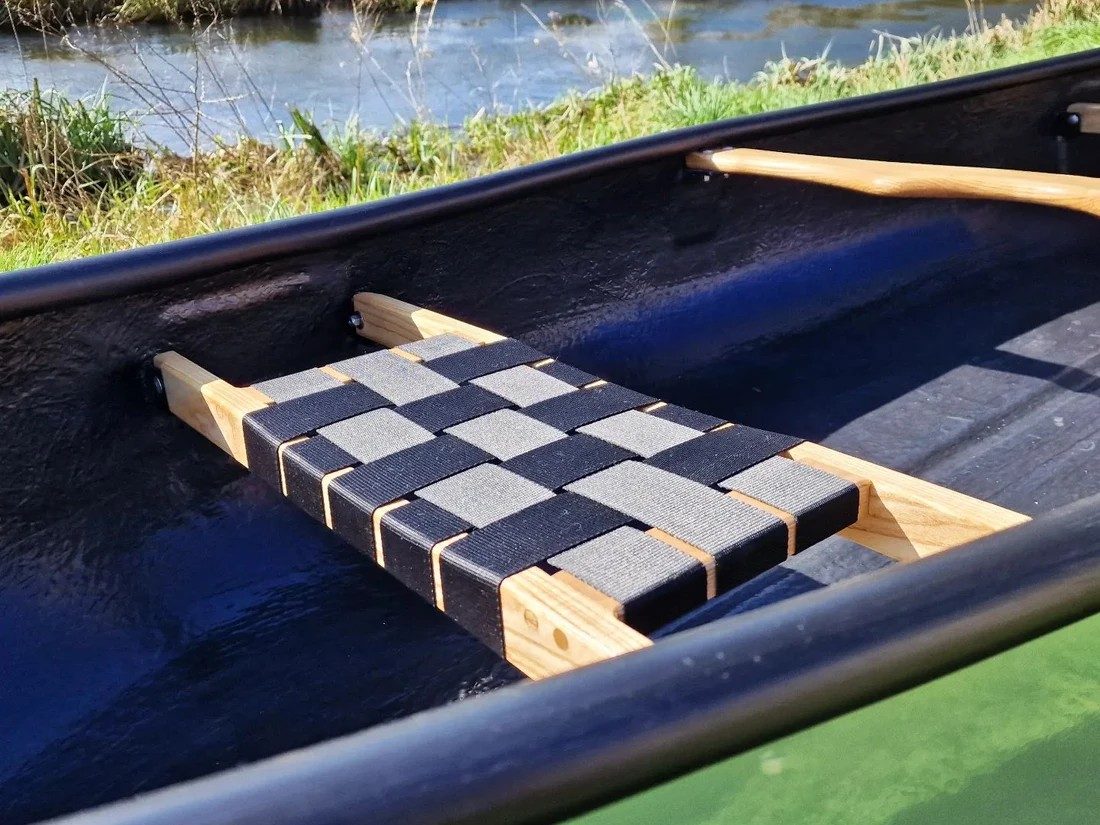
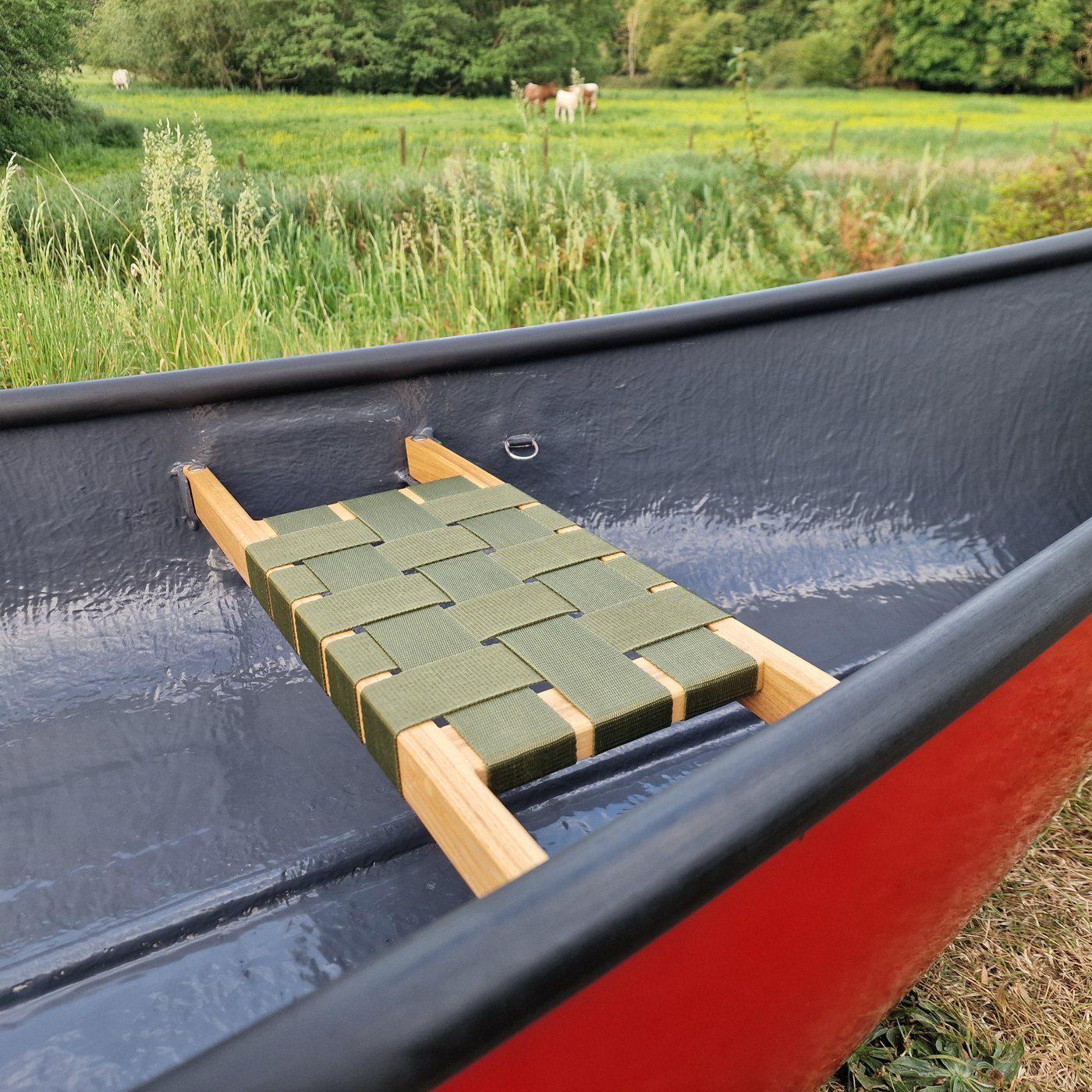
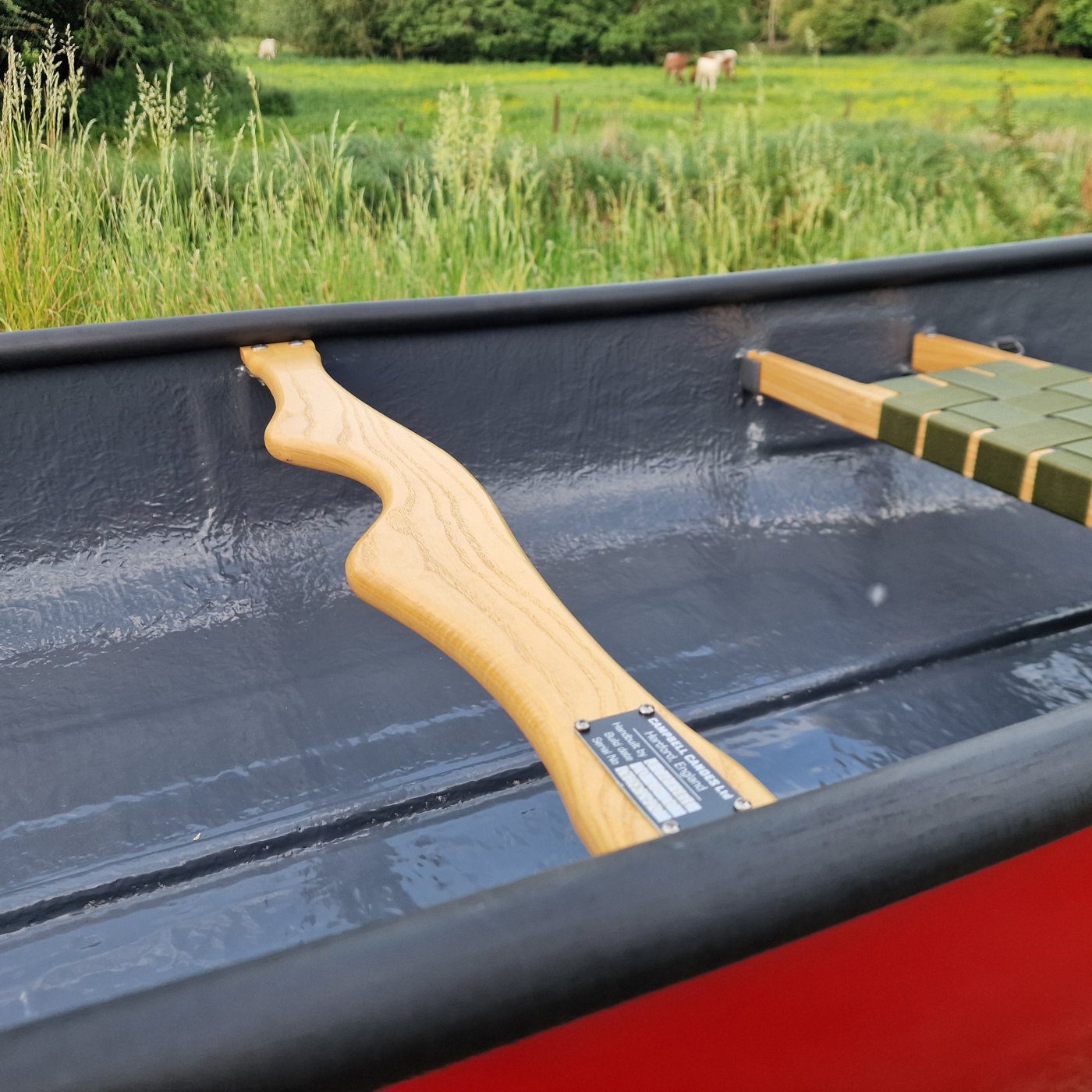
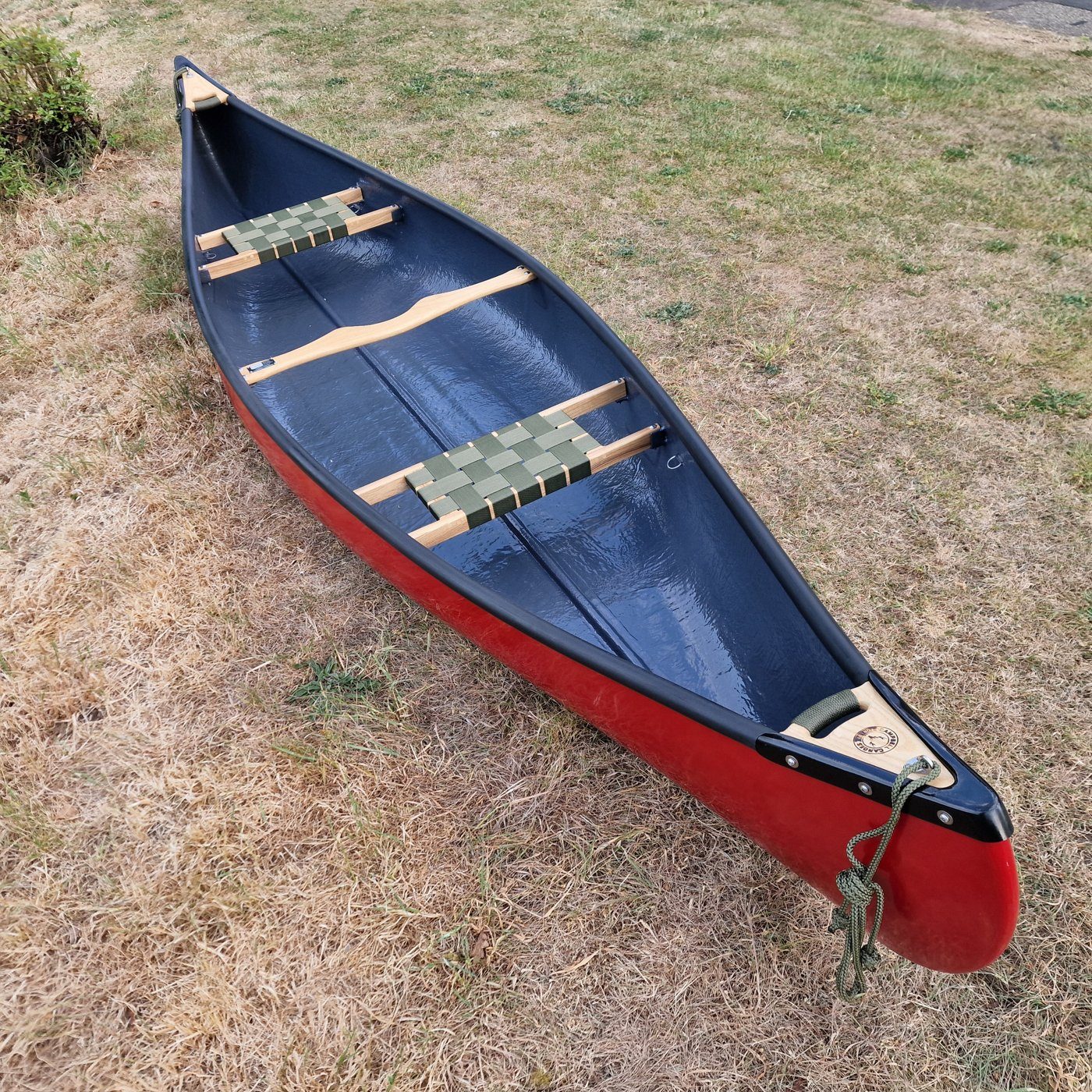
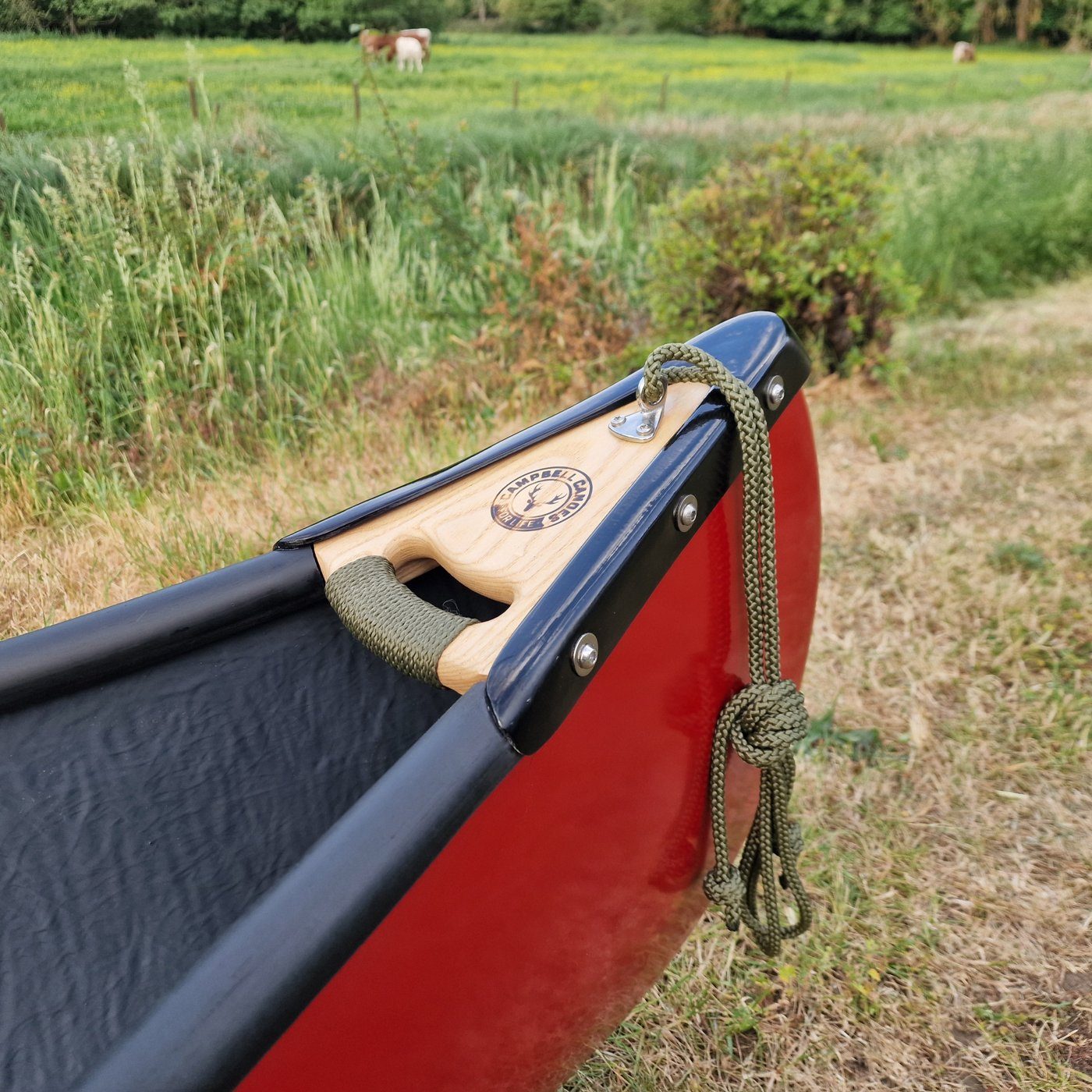
CAM.S5.16 (Mk2)
Our Trail-spec 16ft solo, twin or 3-seater canoe
The same proven 16ft hull design, stability and on-water performance as the S7.16, in a Trail specification. Plastic gunwales, decks and trim replace full timber components for a durable, hard-wearing setup suited to regular use and heavier loads, while the ash yoke and seating keep comfort and balance central to the ride.
Who's it for? Solo paddlers, couples and families wanting one canoe that can do it all, long touring trips, camping kit, dogs or extra gear, with a centre bench available for two children. For the same performance with a higher level of finish, the S7.16 offers a more premium alternative.
Materials: composite gunwales & decks, ash seat & yoke · fibreglass hull
S7 or S5: which spec should I choose?
All Campbell Canoes share the same proven hull designs, reassuring stability, predictable handling and confident performance. The choice between S5 and S7 comes down to finish, feel and refinement, not capability.
Choose S7 (Signature) if you want
- Ash timber gunwales, decks and detailing throughout
- A more traditional, crafted appearance
- Slightly increased rigidity for a more responsive, efficient feel
- A composed feel solo, touring, or carrying load
- The most refined expression of a Campbell Canoe
Choose S5 (Trail) if you want
- The same proven hull shape and on-water capability
- A simpler specification, plastic gunwales, decks and trim
- A clean, straightforward finish
- The core stability, handling and versatility of a Campbell
- The same capability, at a more accessible price
In simple terms: S7 offers the same performance with a higher level of finish and a more responsive feel, and is our best-selling specification. S5 delivers the same hull and capability in a simpler specification. Both are excellent canoes, the difference is refinement, feel and finish, not capability.
12ft or 16ft: which size should I choose?
Both sizes share the same design principles, hull characteristics and build quality. The choice comes down to capacity, carrying needs and how you paddle, both can be paddled solo.
Choose 12ft if you
- Paddle mainly solo
- Paddle with a child or lighter loads
- Value a compact, highly manoeuvrable canoe
- Spend more time on rivers or tighter waterways
- Want a canoe that's simple to transport and store
Choose 16ft if you
- Paddle as a couple or family
- Carry camping kit, dogs or heavier loads
- Plan longer touring trips
- Want more space and capacity without losing stability
- Prefer a canoe that adapts to a wide range of uses
In simple terms: 12ft prioritises manoeuvrability and simplicity; 16ft prioritises space, versatility and load-carrying. The difference isn't capability, it's how much you want to carry and how much space you need.
Let's talk it through
Answer three quick questions and Jason will pick up the conversation personally, or skip straight to a call or WhatsApp.